Breathe Easier: A Homeowner's Guide to Better Air Quality During Phoenix Haboobs
Anyone who has lived in the Valley of the Sun for a while knows the sight: a towering wall of dust rolling across the horizon, turning a bright afternoon into an eerie twilight. A haboob is a dramatic and defining part of our monsoon season. While it's an incredible force of nature to witness, that massive cloud of dust, dirt, and allergens doesn't just stay outside. It finds its way into our homes, impacting our comfort and, more importantly, our health. If you've ever noticed a layer of fine dust on every surface after a storm or found your allergies flaring up, you've experienced this firsthand. The good news is you don't have to just accept it. As your local Phoenix HVAC experts, we at Panda Air want to share how you can fortify your home's defenses and ensure your family breathes cleaner, healthier air, no matter what the monsoon season throws our way.

What's Really in That Wall of Dust?
A haboob is more than just dirt. These powerful storms scoop up and carry a cocktail of microscopic particles, including fine dust, pollen, bacteria, and pollutants from across the desert. When this dust-laden air gets inside, it can wreak havoc. For many, it means more sneezing, coughing, and itchy eyes. For those with asthma or other respiratory conditions, the effects can be much more serious.
Your home's HVAC system is its respiratory system. It draws in air, conditions it, and circulates it through every room. This makes it your first and most important line of defense against the particulates a haboob leaves behind. However, a standard, basic air filter can quickly become overwhelmed by the sheer volume of debris. It might catch the larger particles, but the finest, most irritating dust can pass right through, getting circulated throughout your home for days or even weeks after the storm has passed.
Upgrading Your Home's Defenses Against Desert Dust
Fighting back against microscopic dust particles requires more than a standard one-inch filter. Fortunately, modern technology offers several powerful solutions to dramatically improve your indoor air quality. Think of it as creating a multi-layered defense system for the air your family breathes.
-
High-Efficiency Particulate Air (HEPA) Filters: One of the most effective upgrades is switching to a high-efficiency filter. These filters are rated using the MERV (Minimum Efficiency Reporting Value) scale. While a basic filter might be a MERV 4, higher-rated filters (MERV 11 to 16) or whole-home HEPA systems can capture a significantly higher percentage of tiny particles, including fine dust, pet dander, and pollen.
-
Whole-Home Air Purifiers: Integrated directly into your HVAC system, these advanced purifiers go a step beyond filtration. Electronic air cleaners use an electrostatic charge to attract and capture particles like a magnet, removing them from circulation. They are incredibly effective at clearing the air after a haboob.
-
UV Germicidal Lights: Dust and debris aren't the only concern. The increased humidity during monsoon season can create an ideal environment for mold and bacteria to grow inside your cool, dark HVAC system. UV germicidal lights are installed within your system to neutralize these organic compounds, preventing them from ever reaching your living spaces. This adds a crucial layer of protection for your family's health.

The Hidden Pathway: Why Your Ductwork Matters
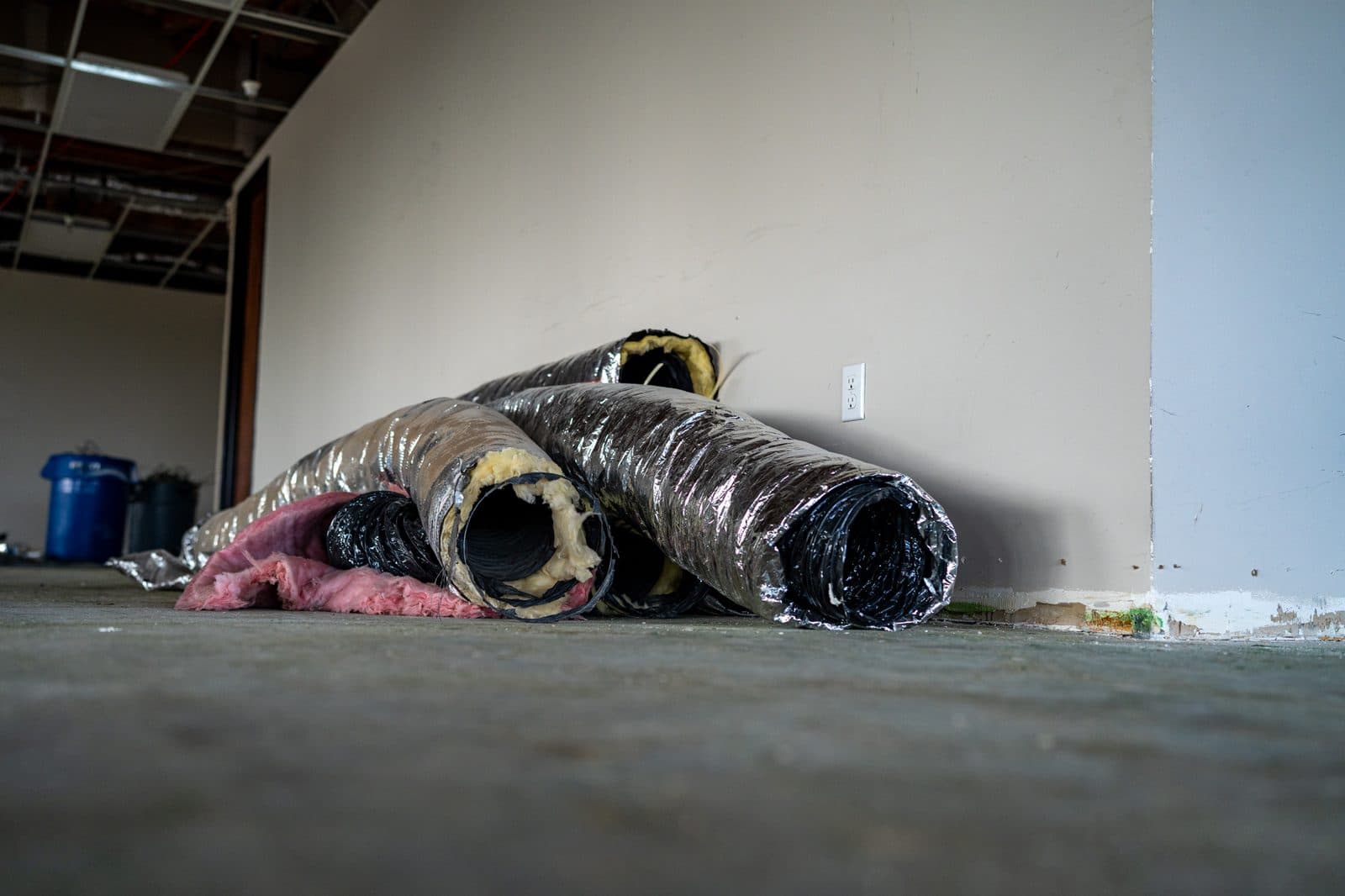
You can have the best filtration system in the world, but it won't be fully effective if your home's ductwork is compromised. Over time, ducts can develop small leaks, cracks, or loose connections. During a haboob, these leaks can pull dusty, unfiltered air directly from your attic or crawl spaces and distribute it throughout your home, completely bypassing your new filter.
Sealing and cleaning your ductwork is a critical step in creating a truly clean-air home. A professional inspection can identify these hidden problem areas. Properly sealed ducts not only improve your air quality but also boost your HVAC system's efficiency, which can help lower your energy bills during those triple-digit temps. If you suspect your ducts might be working against you, it's worth looking into a professional duct repair and sealing service.
Be Prepared: Proactive Steps for Monsoon Season
Being proactive is the best strategy for dealing with monsoon season. A little preparation can make a huge difference in both your air quality and your peace of mind.
- Schedule a Pre-Season Tune-Up: Before the storms start rolling in, have a professional perform a comprehensive HVAC maintenance check. A clean, well-maintained unit is better equipped to handle the stress of extreme heat and dust.
- During a Haboob: When you see a storm approaching, close all windows and doors. It's also a good idea to turn your AC unit off temporarily to prevent it from pulling in the most concentrated wave of dust.
- After the Storm: Once the dust has settled, inspect your air filter. It may be clogged enough to require an immediate filter change. A clogged filter restricts airflow, forcing your system to work harder and less efficiently.

Your Partner for Cleaner Air in Phoenix
Haboobs are a fact of life here in Phoenix, but breathing poor-quality air in your own home doesn't have to be. By upgrading your filtration, ensuring your ductwork is sealed, and staying on top of regular maintenance, you can create a healthier and more comfortable sanctuary for your family.
At Panda Air, we understand the unique challenges our desert climate presents. Our team is here to provide honest, no-pressure advice on the best solutions for your specific needs. Ready to breathe easier this monsoon season? Contact Panda Air today to learn more about our indoor air quality solutions and other residential HVAC services designed for Valley homeowners.
