Cooling systems for Phoenix homes
We help you choose between a heat pump and central air, size it to your house, and set it up to keep the power bill down.
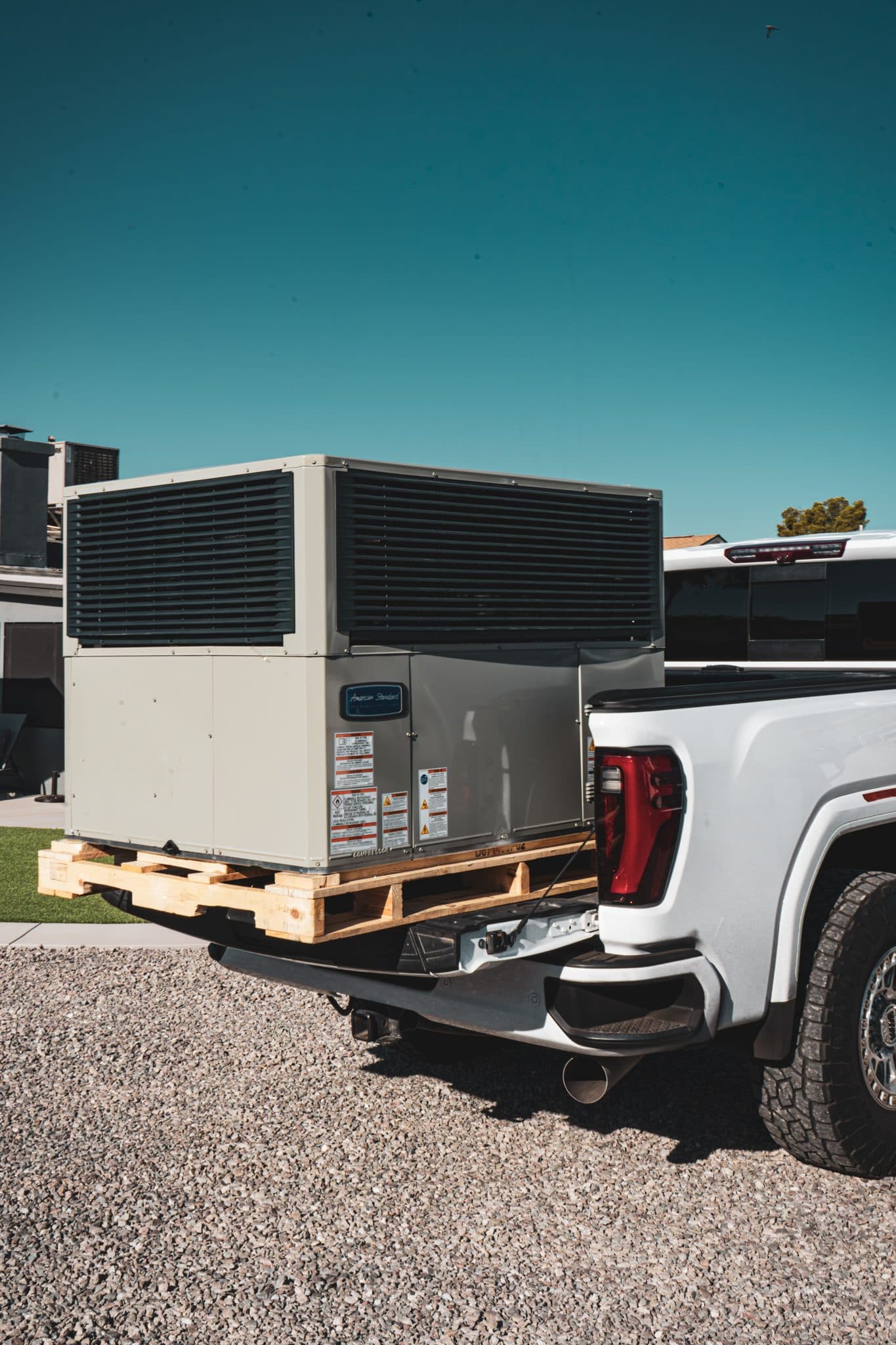
How we match a system to your home
The right system depends on your house, how you heat it in winter and what you want to spend. We work through it with you in this order.
We start with what you have
The tech looks at your current unit, your ducts and how you heat the house now. A gas furnace setup and an all-electric one point to different choices.
Heat pump or central air
We lay out both for your home, with the price of each. You pick, and there's no pressure either way.
Sized for Valley heat
Too big and it turns on and off all day. Too small and it never catches up. We size it to your home and pick a SEER2 rating that fits your budget.
Thermostat and filter to finish
We can pair the system with a smart thermostat and a better filter for the dust. Then we test it and show you how to run it.
Your cooling options
In summer, a heat pump and central air cool your home the same way. The difference shows up in winter and in how the system runs.
Central air
It only cools. For heat in winter it's paired with a separate furnace, usually gas. It fits well if your furnace still works.
Heat pump
It cools in summer and heats in winter, with no furnace. Our winters are mild, so it heats here with little effort, and you may not need gas at all.
Inverter-driven systems
The compressor speeds up and slows down instead of running full blast and shutting off. The house stays steadier and the parts wear less. We often recommend Trane models built this way.
Smart thermostats
Change the temperature from your phone, set a schedule and see how long the system runs. Some remind you when the filter needs a change.
Better filtration
Valley dust and haboobs clog a filter fast. A higher-grade filter keeps more dust out of the house and out of the system.
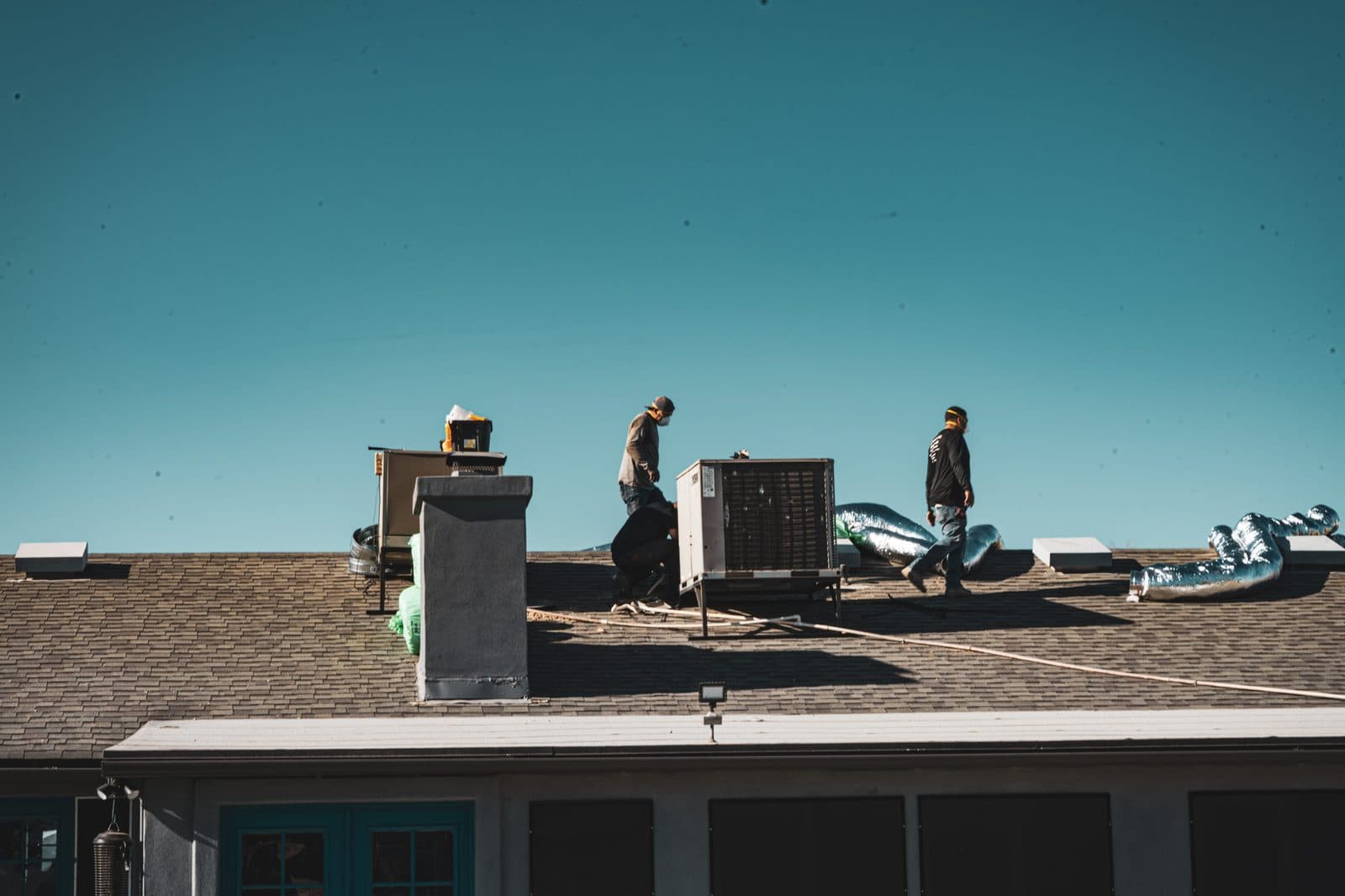
What we install and service
- Central air and heat pumps
- High-efficiency SEER2 systems and smart thermostats
- Better filtration for Valley dust
What a new system costs
The price comes down to the unit's size in tons, the SEER2 rating, the brand and how hard the install is. You get it up front after we look at your home.
A higher SEER2 unit costs more on day one and less every month after. Ask us which SRP or APS rebates apply to your system when we quote.
Financing: 0% down and 36 months interest free, on approved credit.
Questions about Cooling Systems
Yes. In summer a heat pump cools the same way a central air unit does. A modern one keeps a Valley home cold on the hottest days.
It runs all year, so it adds hours faster than an AC that rests in winter. With tune-ups and regular filter changes, both kinds are built to last more than 10 years.
For heat, it often is, because our winters are mild and it doesn't have to work hard. For cooling, the SEER2 rating matters more than the type.
It's the current rating for how well an AC or heat pump uses power to cool. The higher the number, the less power it takes to do the same job.
Most will, but not every model fits every system. We check the match before we put one in, then show you the app.
It depends on tonnage, SEER2 rating, brand and the install. The first visit is free and you get the price up front. You can pay with 0% down and 36 months interest free, on approved credit.
We often recommend Trane systems with inverter-driven compressors. We'll still show you the options that fit your home and your budget.
A higher-grade filter than the basic one catches more fine dust. Change it more often in monsoon season and after a haboob.
Other services
Tell us what’s going on
Send us the details, we call you back to set a time, and you get the price before any work starts.
Monday to Friday, 7 AM to 7 PM
Saturday and Sunday, 7 AM to 12 PM