
Heat Pump vs Central Air for Valley Homes: Making the Right Choice
When the triple-digit heat arrives, your cooling system becomes the most important appliance in your home. For homeowners in Phoenix, deciding how to replace an aging system often comes down to one major question: should you install a traditional central air conditioner or make the switch to a heat pump? Both options have their merits, but understanding how they perform in our unique desert climate is key to keeping your family comfortable and your utility bills manageable. Let's break down the differences to help you make an informed decision.
Understanding the Basics: How Do They Work?
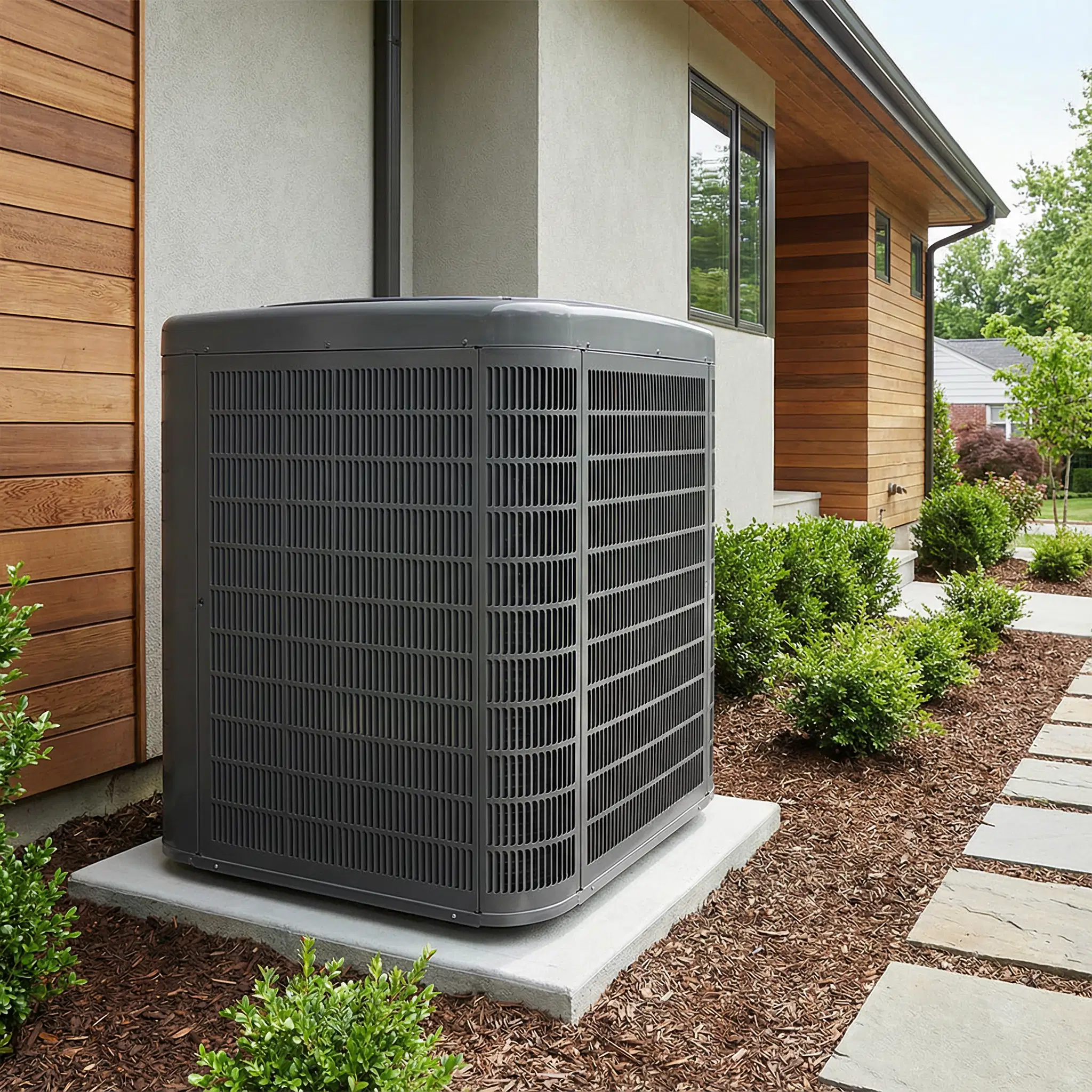
At first glance, a heat pump and a traditional central air conditioner look nearly identical sitting outside your home. In fact, during the summer months, they operate in exactly the same way. Both systems use refrigerant to absorb heat from inside your house and release it outdoors, providing energy efficient cooling for triple digit heat.
The primary difference lies in what happens when the weather cools down. A traditional central air conditioner only cools. To warm your home during our mild winters, it must be paired with a separate furnace, usually powered by natural gas. A heat pump, on the other hand, features a reversing valve. This allows it to absorb ambient heat from the outdoor air and move it inside, effectively heating your home without the need for a separate furnace.
The Desert Climate Advantage
One of the most common questions we hear is whether a heat pump can truly handle the extreme temperatures of our summers. The short answer is yes. When comparing a heat pump vs central air for desert climates, modern heat pumps are more than capable of keeping your home icy cold.
Because our winters are relatively mild, heat pumps are incredibly efficient here. They don't have to work hard to extract heat from the outdoor air in December or January, making them a highly efficient all-in-one solution. The benefits of switching to electric heat pump systems include streamlining your HVAC setup and potentially eliminating your reliance on natural gas for heating.
Energy Efficiency and Smart Technology
Whether you choose a heat pump or a traditional AC, efficiency is likely at the top of your mind. With rising utility costs, upgrading to a system with a high SEER2 rating is one of the best ways to lower your monthly expenses. SEER2 is the latest standard for measuring cooling efficiency, and systems meeting these new requirements use significantly less electricity.
At Panda Air, we frequently recommend Trane models equipped with inverter-driven compressors. The inverter driven heat pump benefits are substantial: instead of simply turning on at full blast and shutting off when the target temperature is reached, an inverter system adjusts its speed continuously. This maintains a consistent indoor temperature, reduces wear and tear, and maximizes energy savings.
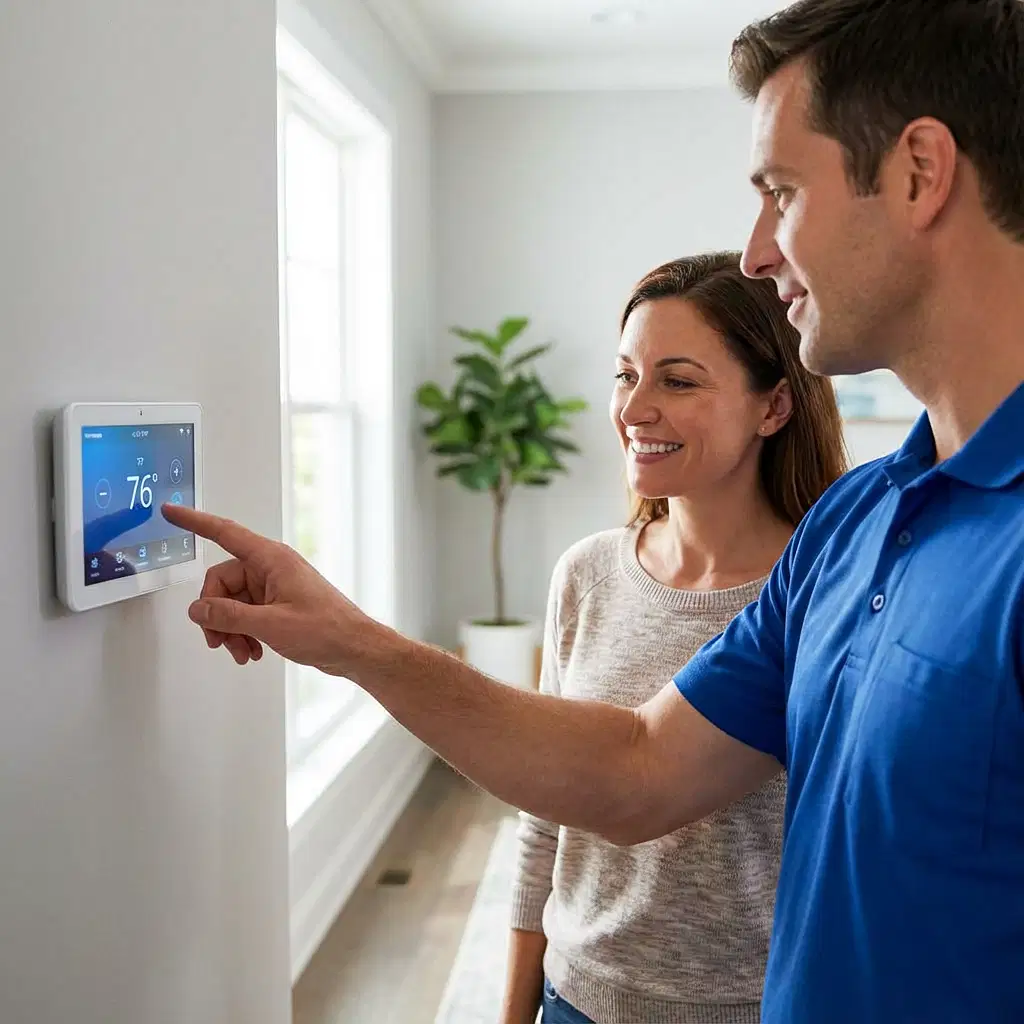
Pairing these modern systems with smart thermostats allows for even greater control. You can monitor your energy usage, adjust temperatures remotely, and ensure your system is running optimally, which is crucial when you are trying to manage costs with SRP and APS. If you are exploring different cooling solutions, integrating smart home technology is a step we highly recommend.
Maintenance and Longevity in Harsh Conditions
Another factor to consider is the lifespan and maintenance requirements of your new system. The extreme heat and frequent dust storms take a toll on any mechanical equipment. Because a heat pump runs year-round—cooling in the summer and heating in the winter—it accumulates run-time faster than a central air conditioner that gets a break during the cooler months.
However, this doesn't necessarily mean a heat pump will fail sooner. With regular, proactive maintenance, like changing filters frequently during monsoon season and scheduling seasonal tune-ups, both systems are designed to last for over a decade. Staying on top of maintenance not only extends the life of your equipment but also ensures it continues to operate at peak efficiency, keeping your warranty intact and your home comfortable.
Making the Right Investment for Your Home
Replacing an HVAC system is a significant investment, and it is completely normal to weigh the costs carefully. If you have been wondering why is my AC blowing warm air more frequently, or if your current unit is requiring constant repairs, it might be time to consider a replacement.
When evaluating the upfront costs, it is important to factor in available financial incentives. Currently, there are federal IRA tax credits available for high-efficiency heat pump installations, as well as local utility rebates. These incentives can significantly offset the initial investment.
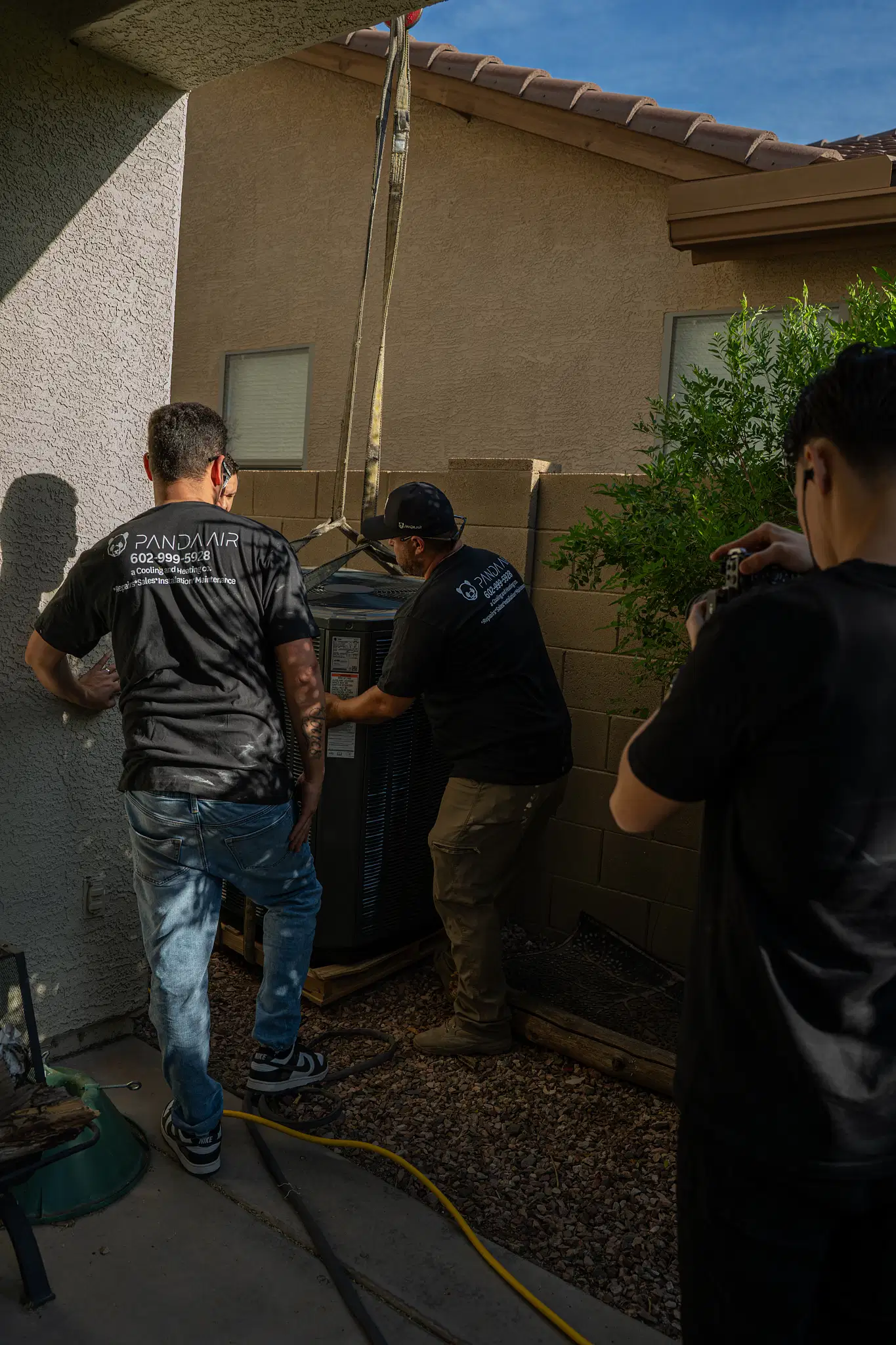
We know that navigating these options can feel overwhelming. That is why our team focuses on a completely no-pressure approach. We believe in educating you on your options, providing transparent pricing, and letting you make the best choice for your budget and comfort. We also offer flexible financing options to help make your new system more affordable. Whether you decide on a high-efficiency central air unit or a versatile heat pump, our HVAC installation process is designed to be seamless and stress-free.
Ready to Upgrade Your Comfort?
Choosing between a heat pump and a central air conditioner ultimately depends on your home's current setup, your energy goals, and your budget. Both systems, when properly sized and installed, will provide the reliable relief you need during the hottest months of the year.
If you are ready to explore your options and find the perfect fit for your home in The Valley, the team at Panda Air is here to help. We will evaluate your current system, discuss your needs, and provide honest recommendations without any aggressive sales tactics. Contact us today to schedule a consultation and take the first step toward a more comfortable, energy-efficient home.